
Winter Stove Repair in Newton, MA for Reliable Seasonal Cooking
Winter often means more time spent cooking at home. Soups, sauces, hot breakfasts, holiday meals, and long-simmer recipes can keep several burners running throughout the day. This heavier seasonal use can make developing problems with burners, igniters, switches, wiring, and electronic controls much easier to notice.
Fast Fix Appliance Repair provides professional winter stove repair in Newton, MA, helping homeowners restore dependable heat, proper ignition, responsive controls, and safe kitchen operation.
We repair gas stoves, electric stoves, freestanding models, slide-in units, cooktop-style systems, and digitally controlled appliances. If a burner will not heat, ignition is unreliable, the flame becomes uneven, or an electric element no longer responds correctly, our technicians provide careful diagnostics and practical repair solutions.
For support with other household appliances, see our appliance repair in Newton page.
Why Stove Problems Can Become More Noticeable During Winter
Cold weather does not usually cause an indoor stove to fail directly. The larger seasonal factor is how frequently and how long the appliance is used.
During winter, homeowners may use the stovetop for:
Soups and stews
Long simmering recipes
Holiday side dishes
Hot drinks and breakfasts
Batch cooking
Several pots and pans at once
Repeated cooking throughout the day
Components that work normally during a short cooking session may begin behaving differently after extended or repeated use.
Multi-Burner Cooking Can Expose Weak Electrical or Control Components
Preparing several winter dishes at once may require multiple burners to operate simultaneously.
During heavier use, homeowners may notice:
Burners heating more slowly
One burner cutting in and out
Controls becoming inconsistent
A cooking zone overheating
Electronic controls responding slowly
These symptoms may involve surface elements, switches, burner receptacles, wiring, or electronic control components.
Long Simmering Can Reveal Poor Low-Heat Control
Winter recipes often depend on stable low heat for soups, sauces, and stews.
If a burner will not maintain a low setting, becomes too hot, or cycles unpredictably, the problem may involve the control switch, burner element, valve, or electronic regulation system.
Reliable heat control is especially important during long unattended simmering periods.
Spills and Moisture Can Affect Gas Ignition
More frequent boiling and cooking can lead to spills, steam, and moisture around gas burner components.
Moisture or food residue near the igniter may contribute to:
Repeated clicking
Delayed ignition
Burner lighting only after several attempts
Clicking that continues after the flame appears
If the burner is clean and fully dry but ignition problems continue, professional inspection is recommended.
Common Winter Stove Problems We Repair in Newton
Gas Burner Clicks but Does Not Ignite
A burner that clicks repeatedly without producing a stable flame may have a problem involving the igniter, burner ports, burner cap, ignition switch, spark module, or related wiring.
Moisture and cooking residue can also interfere with ignition.
Persistent clicking should not be ignored if the burner cannot light normally.
Gas Flame Is Weak or Uneven
A properly operating burner should produce a steady, consistent flame.
If the flame becomes weak, irregular, or difficult to regulate, possible causes include:
Blocked burner ports
Improperly positioned burner caps
Dirty burner components
Ignition-related problems
Burner-control faults
A noticeable change in flame behavior should be professionally inspected.
Electric Burner Will Not Heat
An electric burner that does not heat may have a failed surface element, damaged receptacle, defective switch, wiring problem, or electronic control fault.
Some elements stop working completely, while others operate only at certain settings.
Testing helps identify where the electrical interruption is occurring.
Electric Burner Heats Too Slowly
A burner that takes noticeably longer to heat can make meal preparation difficult when several dishes are being cooked at once.
Possible causes include:
Weak heating element
Worn burner receptacle
Loose electrical connection
Failing control switch
Electronic control issue
Gradually declining heat output can be an early sign of component failure.
Burner Will Not Maintain Low Heat
A cooking zone that repeatedly becomes too hot at a low setting may have a problem with heat regulation.
This can be particularly frustrating during winter recipes that require slow simmering.
Possible causes may involve:
Control switches
Electronic relays
Surface elements
Burner valves
Control-board components
If heat cannot be regulated normally, the affected burner should not be relied on for long cooking cycles.
Burner Overheats or Stays Hot
A burner that remains excessively hot after the setting is reduced can create a safety concern.
The issue may involve a control switch, relay, electronic control, or heating element.
Discontinue use of the affected burner if normal temperature control is lost.
Stove Loses Power During Cooking
A stove that shuts down or loses power may have a problem involving:
Wiring connections
Electronic control boards
Internal overheating
Power connections
Electrical components that fail after extended use
Intermittent power problems require careful diagnosis because they may only appear after the appliance has been operating for some time.
Winter Power Flickers and Electronic Stove Problems
Winter weather can occasionally cause brief power interruptions or voltage fluctuations.
Modern stoves with digital controls may behave differently after power is restored.
Homeowners may notice:
Flashing displays
Error codes
Touch controls not responding
Burners that will not activate
Electronic ignition behaving abnormally
If the stove does not return to normal operation, professional electronic stove diagnostics may be necessary.
Repeated resets do not correct an underlying electrical or control-system problem.
Winter Stove Safety for Newton Homeowners
Stove problems involving gas, electricity, smoke, sparking, or uncontrolled heat should always be treated seriously.
Do Not Ignore Persistent Gas Odors
If you notice a strong or persistent gas smell, stop using the appliance.
Do not continue attempting to ignite a burner when a gas-related problem is suspected. Follow appropriate gas-safety procedures and arrange qualified inspection before using the stove again.
Closed Windows Make Ventilation More Important
During winter, windows and exterior doors are often kept closed.
Proper kitchen ventilation becomes especially important when using a gas stove or preparing meals for extended periods.
A working ventilation system helps manage normal cooking heat, moisture, and odors, but it does not correct abnormal stove behavior.
If the stove produces unusual odors, smoke, or abnormal flames, the appliance itself should be inspected.
Electrical Burning Smells Require Prompt Attention
Stop using the affected burner or stove if you notice:
Sparking
Smoke
Electrical burning odors
Melted components
Controls becoming excessively hot
These symptoms may indicate wiring, switch, element, or control-board problems.
Never Use a Stove to Heat Your Home
A gas or electric stove should never be used as a substitute for residential heating.
Cooking appliances are designed for food preparation, not space heating. Using burners to warm a room can create serious safety risks.
Gas, Electric, and Smart Stove Repair in Newton
Fast Fix provides residential stove repair in Newton for traditional and modern cooking appliances.
Stove Types We Service
Our technicians work with:
Gas stoves
Electric stoves
Freestanding stoves
Slide-in stoves
Cooktop-style systems
Smart stoves
Digitally controlled models
Different stove designs use different burner, ignition, and electronic systems, so the diagnostic process is adapted to the appliance.
Stove Brands We Commonly Repair in Newton
Fast Fix services many major residential stove brands, including GE, Whirlpool, KitchenAid, LG, Samsung, Bosch, Frigidaire, Maytag, Amana, Kenmore, Miele, Thermador, Viking, and Electrolux.
Different manufacturers use different burner assemblies, heating elements, spark modules, switches, wiring systems, and electronic controls.
Providing the full model number and a description of the symptoms can help our technicians better understand the appliance before the service visit.
What Our Technicians Check During Stove Diagnosis
Accurate diagnostics help identify the source of the failure without replacing working components unnecessarily.
Components We May Inspect
Depending on the stove and reported symptoms, our technicians may examine:
Electric heating elements
Gas burner assemblies
Igniters
Spark modules
Burner receptacles
Control switches
Knobs and control shafts
Wiring connections
Electronic control boards
Power connections
Safety-related components
Gas and electric appliances require different testing procedures, so each diagnostic process is tailored to the specific stove.
Our Winter Stove Repair Process in Newton
Step-by-Step Stove Diagnosis and Repair
The homeowner contacts Fast Fix and describes the stove problem.
A technician performs in-home stove diagnostics.
Burners, ignition components, heating elements, controls, wiring, and related systems are tested as needed.
The findings and recommended repair approach are explained clearly.
Necessary repairs are completed using appropriate methods and replacement parts when available.
The affected burners and controls are tested to confirm stable operation.
Our goal is to restore dependable stove performance for everyday and seasonal cooking.
Why Newton Homeowners Choose Fast Fix for Stove Repair
Homeowners choose Fast Fix for stove repair in Newton because we focus on accurate residential diagnostics and practical repair solutions.
Our service includes:
Local residential appliance support
Experience with gas and electric stoves
Diagnostics for traditional and electronically controlled appliances
Quality replacement components whenever available
Warranty-backed completed repairs
Careful work around countertops and kitchen finishes
Final operational testing after repair
We focus on correcting the actual problem and restoring safe, dependable cooking performance.
Stove Repair or Replacement During Winter
Many stove problems can be resolved without replacing the entire appliance.
Components that can often be repaired or replaced individually include:
Surface elements
Gas igniters
Spark modules
Burner switches
Receptacles
Control knobs
Wiring
Electronic controls
Replacement may become more practical when the stove has extensive electrical deterioration, repeated major failures, or several important components failing at the same time.
Professional diagnosis helps clarify the condition of the appliance before making that decision.
Frequently Asked Questions About Winter Stove Repair in Newton
Why Does My Burner Work Differently After It Has Been On for a Long Time?
Heating elements, control switches, wiring, and electronic components can sometimes become unreliable after extended operation and higher internal temperatures.
Why Won't My Stove Maintain a Low Simmer?
A burner that will not maintain low heat may have a problem with the control switch, valve, electronic controls, or heating element.
Why Does My Gas Burner Keep Clicking After Cooking or Cleaning?
Steam, moisture, or residue around the ignition area can interfere with normal spark operation. Persistent clicking after the area is clean and dry may indicate an ignition-system problem.
Why Is My Electric Burner Heating More Slowly Than Before?
Possible causes include a weakening surface element, worn receptacle, loose electrical connection, or failing control switch.
Can a Winter Power Interruption Affect My Stove?
Electronic models can sometimes develop display, ignition, or control problems after a power interruption. If normal operation does not return, the stove should be inspected.
Do You Repair Gas and Electric Stoves in Newton?
Yes. Fast Fix provides gas stove repair and electric stove repair in Newton for residential properties.
Are Completed Stove Repairs Covered by Warranty?
Yes. Completed repairs are warranty-backed.
Service Area for Stove Repair in Newton
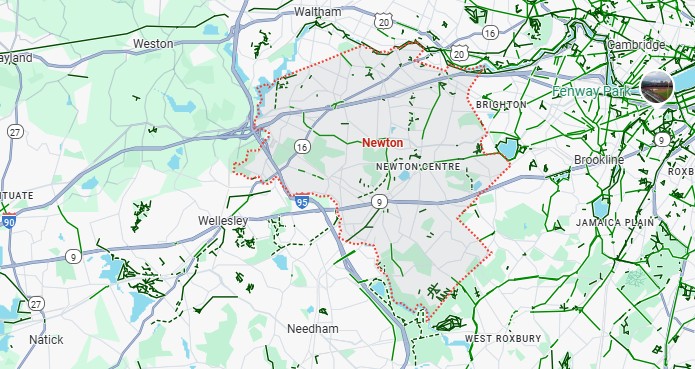
Fast Fix provides residential stove repair throughout Newton, MA, including homes, condos, apartments, and other residential properties within our local service coverage.
ZIP codes served include:
02458
02459
02460
02461
02462
Newton homeowners can contact Fast Fix to confirm service availability for their specific address.
Additional Appliance Repair in Newton
Fast Fix also provides professional repair for other major household appliances.
Oven Repair in Newton
If your oven is preheating slowly, losing temperature, cooking unevenly, shutting down, or displaying error codes, see our oven repair in Newton page.
Dishwasher Repair in Newton
We diagnose dishwashers with drainage problems, leaks, poor cleaning performance, unusual noises, and electronic control faults.
See our dishwasher repair in Newton page for additional information.
Complete Appliance Repair in Newton
For support with additional household appliance categories, see our appliance repair in Newton page.
Request Winter Stove Repair in Newton, MA
Winter cooking often means multiple burners operating at once, longer simmering cycles, more boiling and steaming, and heavier use of heat-control components.
If your stove has burners that will not heat, unreliable ignition, weak flames, poor low-heat control, overheating elements, electrical faults, or unresponsive controls, Fast Fix provides professional winter stove repair in Newton, MA.
Our technicians identify the source of the problem, complete the appropriate repair, and test the appliance before returning it to normal use.
Contact Fast Fix for dependable stove repair in Newton and professional residential appliance support.
Contact Fast Fix Appliance Repair
Fast Fix Appliance Repair – Waltham, MA
Address: 14 Middlesex Rd, Waltham, MA 02452
Email: fastfixapplianceservice@gmail.com
Phone: +1 (508) 733-3351
Open Hours: 8:00 AM – 8:00 PM